Bathrooms are one of the most moisture-prone areas in any home. This makes them the perfect breeding ground for mold. Mold not only looks ugly, but it can also be harmful to your health. Painting your bathroom with the right paint can help keep mold at bay and maintain a healthy environment.
Choosing mold-resistant paint is crucial. This type of paint is specially designed to resist moisture and prevent mold and mildew from forming. By taking the time to understand the importance of using the right paint, you can make your bathroom a cleaner and safer place.
Proper painting techniques also significantly help prevent mold growth. It’s not just about slapping on a coat of paint. To achieve the best results, you need to prepare the surfaces correctly, apply the paint evenly, and ensure proper drying. Doing it right from the start saves you time and money in the long run.
Understanding how mold grows and taking proactive steps can help you maintain a mold-free bathroom. A few simple tips and techniques can make a big difference in preventing mold and keeping your bathroom looking fresh and clean. Let’s explore how the right paint and methods can keep your bathroom mold-free for years.
Understanding the Importance of Mold-Resistant Paint
Mold-resistant paint is essential for bathrooms. This type of paint contains special additives that prevent mold and mildew from growing on your walls. The bathroom is always damp, making it a prime mold spot. Using mold-resistant paint helps keep moisture from seeping into the walls, reducing the chance of mold forming.
Mold growth can cause many health problems, including allergies and respiratory issues. It can also damage your home's structure. Mold-resistant paint creates a protective barrier, making it harder for mold to take hold. This simple step can make a big difference in keeping your bathroom safe and clean.
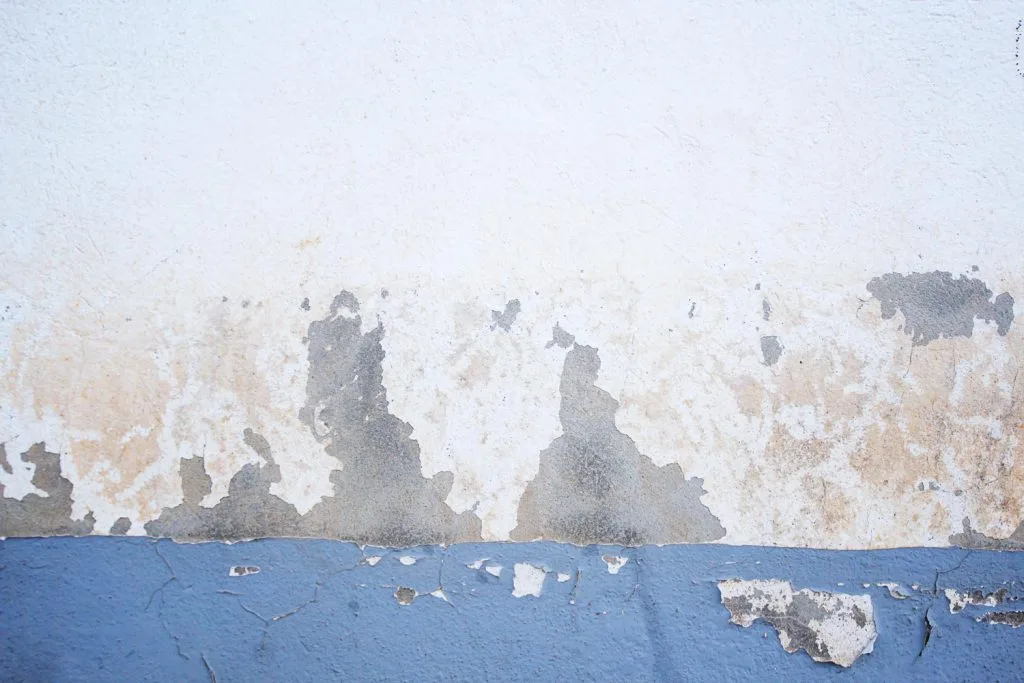
This type of paint also lasts longer. Regular paint might start peeling and cracking when exposed to moisture, but mold-resistant paint holds up better. This means less need for frequent touch-ups or repainting, saving you time and money in the long run. Investing in mold-resistant paint is a smart choice for any bathroom.
Choosing the Best Paint for Bathrooms
Picking the right paint for your bathroom is key. You need paint that can handle high humidity and resist mold. Here are some important things to consider when choosing paint for your bathroom.
1. Look for Mold-Resistant Labels: Always check for labels that say "mold-resistant" or "mildew-resistant." These paints contain additives that stop mold from growing.
2. Choose Desired Finish: Eggshell or Satin finish used to be the go-to for bathrooms because they are less porous and easier to clean. They also repel moisture. However, we recommend matte finishes. Choose a matte finish that is mold and mildew-resistant. If you don’t like matte finishes, then we would recommend eggshell or satin.
*Semi-gloss finishes are really hard to achieve a perfect finish in some older homes because of how smooth the walls need to be.
3. Quality Matters: Invest in high-quality paint. It may cost more upfront, but it offers better coverage and durability. Cheap paint often doesn't hold up well in a bathroom's moist environment.
4. Check the VOC Levels: Low-VOC (volatile organic compounds) paints are better for indoor air quality. They emit fewer fumes and are safer for your health.
Top Features to Consider:
- Mold and Mildew Resistance
- The Finish You Desire
- High Durability
- Low VOC Levels
Using the right paint ensures your bathroom stays mold-free and looks great for years. Don't cut corners—choose paint that meets all these criteria to get the best results.
Step-by-Step Guide to Painting a Bathroom
Painting a bathroom requires careful preparation and the right techniques. To get the best results, follow these steps.
1. Gather Your Supplies: Have all your tools and materials ready. You’ll need mold-resistant paint, brushes, rollers, painter’s tape, drop cloths, scrapers, sandpaper, primer, and a cleaning solution.
2. Clean the Surface: Use a mild detergent to clean your walls and ceiling. This removes dirt and grime. If you have mold but not mildew, use a water-bleach mixture. Let the surfaces dry completely before proceeding to the next step.
3. Remove Old Paint and Sand: Scrape off any loose or peeling paint with a scraper. Sand the walls to smooth out any rough patches and create a good surface for the new paint to adhere to.
4. Repair and Prime: Fill in any cracks or holes with spackle and sand smooth. Apply a mold-resistant primer to help the paint stick better and provide a protective layer.
5. Tape and Protect: Use painter’s tape to cover areas you don’t want painted, like around fixtures and trim. Lay down drop cloths to protect your floor and vanity.
6. Start Painting: Begin by cutting in around the edges with a brush. Then, use a roller for the larger areas. Apply the paint in even strokes, and cover the surface thoroughly.
7. Let it Dry and Apply a Second Coat: Allow the first coat to dry completely before applying a second coat. This ensures better coverage and durability.
8. Final Touches: Remove the painter’s tape and clean up your workspace once the paint is dry. Inspect the paint job for any missed spots and touch up as needed.
Following these steps carefully can help you achieve a smooth, professional-looking finish.
Tips for Maintaining a Mold-Free Painted Bathroom
After painting your bathroom, keep it mold-free with these easy maintenance tips. Consistent care ensures your paint job lasts longer and your bathroom stays healthy.
1. Control Moisture: Always use an exhaust fan or open windows during and after showers. This helps reduce humidity and moisture in the air.
2. Clean Regularly: Wipe down the walls and ceiling with mild detergent and water to remove any lingering moisture. Regular cleaning prevents mold spores from settling in.
3. Fix Leaks Promptly: Repair any plumbing leaks as soon as you notice them. Water leaks can lead to mold growth and damage your paint job.
4. Use Mold-Resistant Caulk: Apply mold-resistant caulk around your tub, shower, and sink. This seals out moisture and adds an extra layer of protection.
5. Keep an Eye on Problem Areas: Regularly check for signs of mold or peeling paint, especially in corners and near the ceiling. Addressing issues early can prevent bigger problems later.
Consistency and care help maintain a mold-free bathroom, keeping your space clean and healthy.
Conclusion
A well-painted bathroom looks great and keeps mold at bay, ensuring a healthier environment for you and your family. By understanding the importance of mold-resistant paint and choosing the best type for your bathroom, you set a solid foundation for a durable and attractive paint job. Following the right steps during the painting process and properly maintaining your painted surfaces can make a difference.
Maintaining a mold-free bathroom doesn't have to be difficult. With regular cleaning, moisture control, and prompt repairs, your bathroom can stay fresh and beautiful for years. Don't let mold spoil your hard work and investment.
For professional help with your bathroom painting projects, consider Kane Painting. Our experts in Akron, Ohio, can ensure a flawless finish and provide tips to keep your bathroom mold-free. Contact Kane Painting today to give your bathroom the care it deserves.