Painting high-traffic areas in your home or business requires special care. These areas face more wear and tear than other parts of your space. Hallways, kitchens, bathrooms, and entryways are examples where people frequently move through. Getting a durable finish can be challenging if you don't know the right techniques.
This guide will help you achieve lasting results when painting high-traffic areas. Following a few key tips, you can create a finish that is up to daily use. Whether refreshing a home hallway or a busy office, these steps ensure your work looks great and lasts long. Let's explore what you need to know to start your painting project.
Choosing Durable Paint for High-traffic Areas
Selecting the right type of paint is crucial when painting high-traffic areas. These areas need paint that can withstand constant use and resist damage. Look for paints labeled as "high-durability" or "washable." These paints are specially formulated to handle more wear and tear than typical interior paints.
One of the best options for high-traffic areas is semi-gloss or satin finishes. These types of paint offer a balance between durability and appearance. They are more durable than flat paint and easier to clean, making them perfect for hallways and kitchens. Glossy finishes are even tougher but can highlight imperfections on the walls, so use them carefully. Matte finishes are an option for high-traffic areas as they are cleanable for walls and give you that luxurious low-sheen look.
At Kane Painting, we recommend satin and semi-gloss for trim areas such as doors, door frames, and baseboards. Satin is the most popular. We can help you pick the type of paint during our consultation process.
Factors to Consider:
- Finish Type: Semi-gloss and satin for balance; gloss for maximum durability; matte for luxurious low-sheen look.
- Washability: Paints that can withstand scrubbing without losing their finish.
- Resistance: Look for paints that resist stains, scratches, and moisture.
Using the right kind of paint helps ensure that your high-traffic areas stay looking fresh for longer. Investing in good-quality paint might cost more upfront, but it will save you time and money on touch-ups and repaints in the future.
Essential Tools for a Professional Finish
Having the right tools can make a huge difference in the quality of your paint job. Quality tools help you apply paint more smoothly, reduce the chances of creating messes, and ensure even coverage.
List of Essential Tools:
- High-Quality Brushes: Use angled brushes to cut around edges and detailed areas.
- Rollers: Choose rollers suitable for the paint finish you are using. A medium nap roller works well for most interior surfaces.
- Painter’s Tape: Keeps edges clean and protects areas that shouldn't be painted.
- Drop Cloths: Protect floors and furniture from drips and spills.
- Paint Trays and Liners: Make it easier to load paint onto your rollers and brushes.
- Extension Poles: Helpful for reaching high places without a ladder.
Select brushes and rollers designed for the type of paint you’re using. Synthetic bristles work better with latex paints, while natural bristles are great for oil-based paints. Make sure the painter's tape is firmly applied to prevent paint from seeping under it.
Using the right tools makes the job easier and leads to a more professional-looking finish. It can help avoid common issues like brush marks, roller lines, and uneven coverage. Gathering the correct tools before you start will pay off when you see the final result.
Steps for Proper Surface Preparation
Proper preparation is crucial for a long-lasting paint job, especially in high-traffic areas. Start by cleaning the surfaces you plan to paint. Use a mild detergent mixed with water to remove dirt, grease, and grime. A clean surface ensures better paint adhesion.
Next, inspect the walls for any damage. Patch holes, cracks, and dents with a spackle or a suitable filler. Allow the filler to dry completely before sanding it smooth. Sanding is essential as it levels the surface, allowing the paint to go on evenly.
Steps for Surface Preparation:
1. Cleaning: Remove dirt and grime with a mild detergent.
2. Inspecting: Look for holes, cracks, and dents.
3. Patching: Fill any imperfections with spackle or filler.
4. Sanding: Smooth the patched areas and rough spots.
5. Priming: Apply a quality primer to seal the surface and improve paint adherence.
Applying a primer is often overlooked but is very important for high-traffic areas. Primer seals the surface, provides a base for the paint, and can help hide stains or old colors. Choose a primer compatible with your selected paint for the best results.
Following these steps ensures that your paint job will withstand the wear and tear of high-traffic areas, maintaining its look and durability over time.
Maintenance Tips for Long-Lasting Paint
Once your paint job is complete, proper maintenance is crucial to keep it looking fresh. Regular cleaning helps preserve the finish. Use a soft cloth or sponge with a mild detergent to clean painted surfaces. Avoid harsh chemicals that can damage the paint.
Another important step is to do touch-ups as needed. High-traffic areas are prone to scuffs and minor damage. Keep a small amount of leftover paint for quick touch-ups. This helps maintain the appearance and prevents the need for a full repaint.
Maintenance Checklist:
- Regular Cleaning: Use mild detergent and a soft cloth.
- Touch-Ups: Keep leftover paint for quick fixes.
- Inspection: Periodically check for signs of wear and address them promptly.
- Ventilation: Good airflow reduces moisture and prevents mold growth.
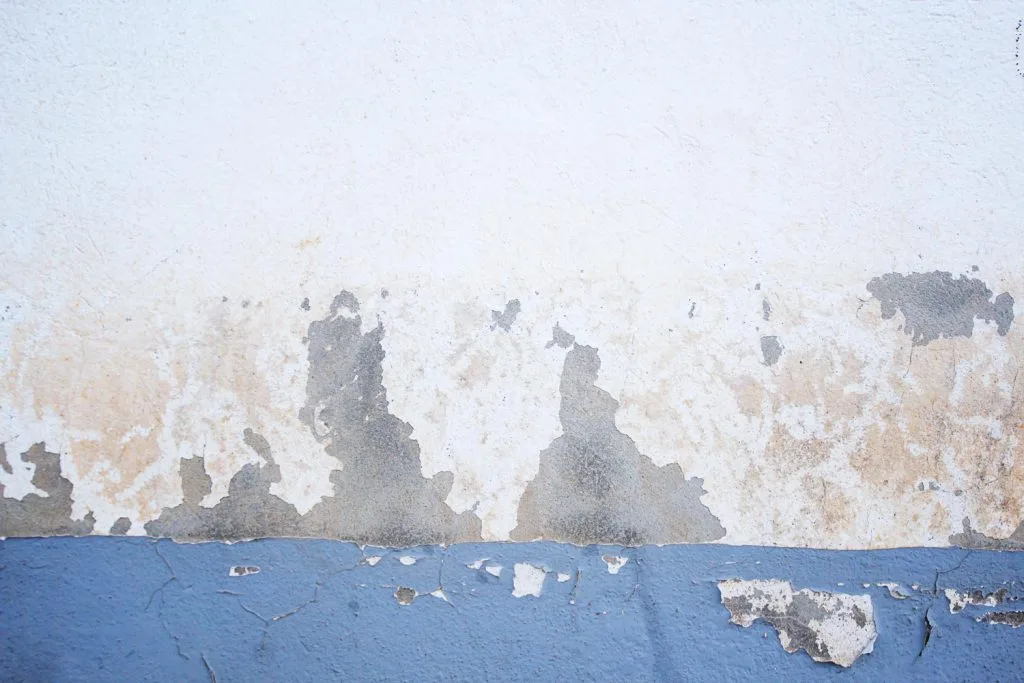
Inspect your high-traffic areas regularly. Look for signs of wear, like peeling or chipping paint. Address these issues quickly to avoid further damage. Ventilated spaces can greatly reduce moisture buildup, which can cause paint to deteriorate faster.
Conclusion
Painting high-traffic areas requires careful planning, the right materials, and proper techniques. You can achieve long-lasting results by choosing durable paint, using the correct tools, preparing the surfaces, and maintaining the finished job. High-traffic areas like hallways, kitchens, and entryways face more wear and tear, so investing time in these steps is worth it.
Long-lasting paint jobs do more than just look good—they also protect your walls and help maintain the overall quality of your space. Knowing how to manage the process from start to finish is key to success. Whether tackling a residential or commercial project, these tips will guide you in the right direction.
For professional assistance and guaranteed results, consider reaching out to Kane Painting. Our experienced team in Akron, Ohio, can help you achieve a perfect, durable finish for high-traffic areas in your home or business. Contact us today to start your interior painting project.