Painting large indoor areas can be a daunting task. It requires careful planning, diligent preparation, and the right techniques to ensure a smooth, safe process. Safety should always be a top priority when tackling large-scale painting projects. Without proper precautions, accidents and health risks can easily arise, turning what should be a straightforward job into a dangerous endeavor.
One key consideration in painting large indoor areas is ensuring adequate ventilation. Paint fumes can be harmful, and they can build up quickly in enclosed spaces. Proper ventilation helps to disperse these fumes, making the environment safer for everyone involved. Using the right protective gear, such as masks, gloves, and safety goggles, is also critical. These items can protect against harmful chemicals and accidental splashes.
Perhaps one of the most important steps is setting up your workspace correctly. This includes organizing your tools, knowing where your exits are, and ensuring the work area is free of tripping hazards. By paying attention to these details, you create a safer environment that not only protects the people doing the painting but also ensures a higher-quality finish for the project.
Importance of Safety When Painting Large Indoor Areas
Safety is a vital aspect when painting large indoor areas. The scale of the project increases the potential for accidents and health risks. Ensuring safety helps to protect everyone involved and ensures the job is completed successfully. One major concern is the risk of falls. When working at heights, whether on ladders or scaffolding, stability and balance are critical. Always make sure your ladders are secure, and that scaffolding is properly assembled.
Another key factor is ventilation. Adequate airflow helps to disperse paint fumes, which can be harmful if inhaled. Paint fumes contain volatile organic compounds (VOCs) that can cause headaches, dizziness, and respiratory issues. Using fans and opening windows can help maintain a safer painting environment.
Finally, keeping the workspace tidy is important. Cluttered areas can lead to trips and falls, and misplaced tools can result in accidents. Make sure to organize your tools and supplies, and always clean up as you go. By taking these safety measures, you can create a more secure work environment, reducing the chances of injury and improving the quality of your work.
Essential Safety Equipment for Indoor Painting
The right safety equipment can make a big difference when painting large indoor areas. Here’s a list of essential items you should have:
1. Protective Gear:
- Masks: Wear a mask to protect yourself from inhaling paint fumes and particles. Choose a mask rated for paint fumes, such as an N95 respirator.
- Gloves: Use gloves to protect your hands from paint and chemicals. Nitrile gloves are a good option because they are resistant to solvents.
- Safety Goggles: Protect your eyes from splashes and debris with safety goggles. Look for goggles that fit securely and are rated for chemical exposure.
2. Ventilation Tools:
- Fans: Use fans to improve air circulation and help disperse paint fumes. Position them to direct fresh air into the room and push fumes out.
- Open Windows: Whenever possible, open windows to allow fresh air to flow through the workspace. This helps to reduce the concentration of harmful fumes.
3. Ladder and Scaffolding:
- Stable Ladders: Choose ladders with a stable base and non-slip feet. Make sure they are the right height for your project to avoid overreaching.
- Secure Scaffolding: When using scaffolding, ensure it is properly assembled and secured. Check that all the safety locks and braces are in place.
4. Fire Safety:
- Fire Extinguisher: Keep a fire extinguisher nearby in case of any emergencies. Make sure it is rated for the types of materials you are using.
- Smoke Detectors: Ensure smoke detectors in the area are working. They can provide an early warning in case of a fire.
Using these safety tools and equipment helps create a safer working environment, reducing the risk of accidents and health issues.
Techniques for Efficient and Safe Painting
Using the right techniques can make your painting job faster and safer. Here are some key methods to consider:
1. Planning and Preparation:
- Organize Your Tools: Lay out all your tools and supplies before starting. This helps you avoid unnecessary trips across the room, reducing the risk of accidents.
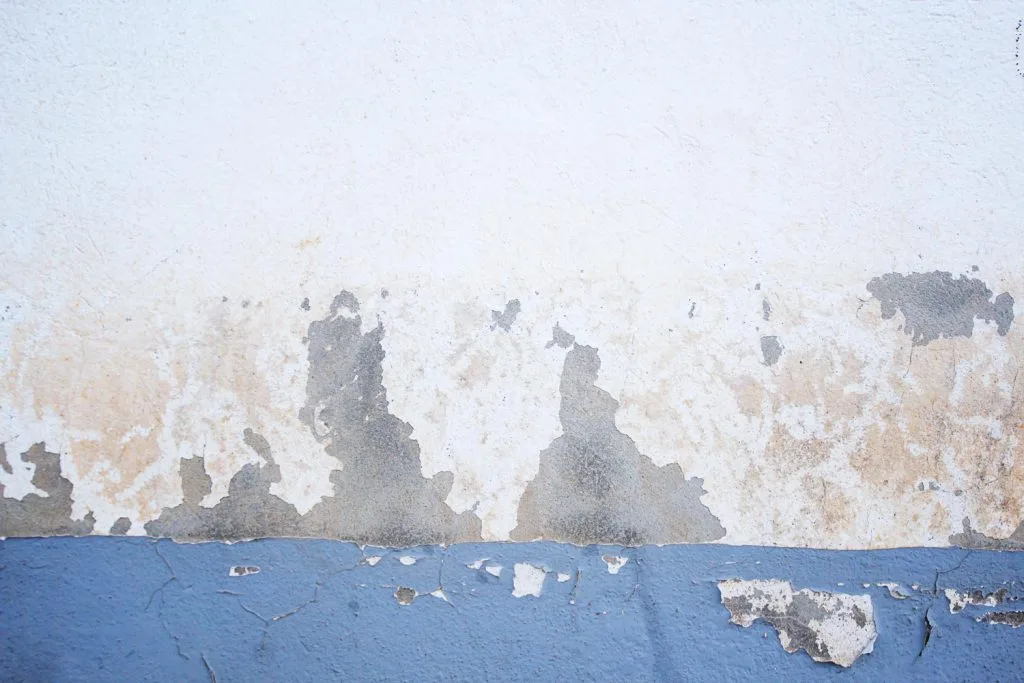
- Prep the Surface: Clean and prime surfaces before painting. This ensures better paint adhesion and a smoother finish.
2. Smart Painting Techniques:
Cut-In First: Paint the edges and corners with a brush before using a roller for the larger areas. This gives you more control and helps you avoid mistakes.
Use Rollers for Large Areas: Rollers cover a larger area quickly. Choose the right roller nap based on your surface type.
3. Pace Yourself:
- Take Breaks: Regular breaks keep you alert and help maintain quality. Fatigue can lead to careless mistakes.
- Stay Hydrated: Drink water to stay hydrated, especially if you work long periods.
4. Cleanup and Storage:
- Clean Tools Immediately: Clean your brushes and rollers right after use. This extends their life and keeps them ready for the next project.
Properly Store Paint: To preserve its quality, close the lids tightly and store the paint in a cool, dry place.
By following these techniques, you can complete your painting project more efficiently and safely, ensuring a professional finish.
Common Mistakes to Avoid During Large-Scale Indoor Painting
Avoiding common mistakes can save you time, money, and effort. Here are some pitfalls to watch out for:
1. Skipping Surface Prep:
- Neglecting Cleaning: Not cleaning surfaces can lead to poor paint adhesion. Dust, dirt, and grease can cause paint to peel or bubble.
- Ignoring Repairs: Small cracks and holes must be fixed before painting. Ignoring them can lead to an uneven finish.
2. Using the Wrong Tools:
- Incorrect Brushes and Rollers: Using the wrong type of brush or roller can affect the quality of the paint job. Choose tools based on the paint type and surface texture.
- Lack of Protective Gear: Skipping masks, gloves, or goggles can expose you to harmful fumes and chemicals.
3. Poor Ventilation:
- Sealing Off the Room: Keeping windows and doors closed traps paint fumes, which can be harmful. Always ensure proper ventilation.
- Underestimating Fume Impact: Paint fumes are toxic and can cause health issues. Use fans and open windows to disperse fumes.
4. Inadequate Paint Application:
- Rushing the Job: Applying paint too quickly or using thick layers can lead to drips and uneven coverage. Take your time and apply thin, even coats.
- Ignoring Drying Times: Adding another coat before the first one dries can ruin the finish. Follow the paint can instructions for drying times.
Avoiding these mistakes helps ensure a smooth and successful painting project, providing a professional-looking finish without complications.
Conclusion
Painting large indoor areas can be challenging, but staying safe is paramount. From using the right safety equipment to employing efficient techniques and avoiding common mistakes, each step contributes to a successful project. Proper preparation, smart painting methods, and vigilant attention to safety details are crucial. Following these guidelines ensures a smooth, high-quality finish and a safe work environment.
If you need professional help for your next interior painting project, contact Kane Painting. Our experienced Akron, Ohio team can provide expert services to meet your needs. Transform your spaces safely and efficiently—reach out to Kane Painting today!