Scuff marks on walls can make any commercial space look worn and unprofessional. These marks often occur in high-traffic areas where people and objects frequently contact the walls. Understanding how to manage these scuff marks can help maintain a clean and polished look for your business.
Keeping your commercial space walls free of scuff marks involves knowing what causes them and how to remove them effectively. Regular maintenance and proper cleaning methods can keep your walls looking fresh. Taking steps to prevent scuff marks can also save you time and effort in the long run.
Sometimes, despite your best efforts, the walls may still look tired due to accumulated marks and wear. Knowing the signs that it’s time to repaint will ensure your space always looks its best. Addressing scuff marks promptly and efficiently helps create a welcoming environment for clients and employees.
Understanding the Causes of Scuff Marks
Scuff marks on commercial walls can happen for several reasons. Knowing the causes can help you prevent them.
1. High Foot Traffic:
- Frequent Contact: Areas where people walk by often, such as hallways and near doors, tend to have more scuff marks. Shoes, bags, and other items can rub against the walls, leaving marks.
- Furniture Movement: Moving chairs, tables, and other furniture can also cause scuffs. Offices and common rooms where furniture is regularly rearranged are particularly prone to this.
2. Daily Activities:
- Accidental Bumps: Even light bumps from people or objects can lead to scuffs over time. This is common in busy areas like reception zones or waiting rooms.
- Cleaning Equipment: Using cleaning tools incorrectly, such as hitting the wall with a vacuum cleaner, can leave marks.
3. Material of the Walls:
- Paint Type: Some types of paint are more susceptible to scuffing than others. Flat or matte finishes tend to show marks more easily than glossier or semi-gloss finishes.
- Wall Surface: Rough or textured walls can hide scuff marks better, while smooth walls show every little imperfection.
Knowing these common causes helps plan effective strategies to manage and reduce scuff marks in commercial spaces.
Effective Cleaning Methods for Scuff Marks
Cleaning scuff marks may seem difficult, but with the right techniques, it's quite easy. Here are some effective methods to try.
1. Soap and Water:
- Simple Solution: For light scuff marks, a mixture of mild soap and water can be very effective. Dampen a soft cloth with soapy water and gently rub the scuff mark until it disappears.
- Rinse and Dry: After removing the mark, use a clean cloth to rinse away any soap residue and dry the area.
2. Baking Soda Paste:
- Natural Cleaner: Mix baking soda and water to make a paste. Apply the paste to the scuff mark using a soft cloth or sponge. Gently rub the mark until it is gone.
- Wipe Clean: Use a clean, damp cloth to wipe away the baking soda paste, then dry the area.
3. Magic Erasers:
- Effective Tool: Magic erasers can work wonders on scuff marks. Dampen the eraser slightly and gently rub the mark. They work well on a variety of surfaces and are especially useful for stubborn marks.
- Test First: Always test the eraser on a small, hidden area first to ensure it doesn't damage the wall's surface.
4. Commercial Cleaners:
- Strong Solutions: Some commercial cleaners are designed specifically for removing scuff marks. Follow the manufacturer’s instructions to use these products safely and effectively.
- Read Labels: Make sure the cleaner is compatible with your wall's paint and finish to avoid damage.
Using these methods, you can keep your commercial walls looking clean and professional with minimal effort.
Preventative Measures to Reduce Scuff Marks
Preventing scuff marks is easier than dealing with them later. By taking a few proactive steps, you can keep your commercial space walls looking pristine.
1. Install Protective Elements:
- Chair Rails: Adding chair rails can protect walls from damage caused by chair backs. This is particularly useful in conference rooms or dining areas.
- Corner Guards: These can help protect the most vulnerable parts of your walls, such as corners and hallways, where objects are more likely to brush against the walls.
2. Use Durable Paint:
- High-Gloss or Semi-Gloss: These types of paint are less likely to show scuff marks and are easier to clean. They are an excellent choice for high-traffic areas.
- Paint with a Scrubbable Finish: Some paints are designed to be more resistant to wear and tear. They allow for easy cleaning without damaging the wall.
3. Regular Maintenance:
- Frequent Cleaning: Regularly cleaning your walls can prevent grime build-up that makes scuff marks more noticeable.
- Quick Spot Cleaning: Addressing scuffs as soon as they appear can prevent them from becoming permanent stains, making them easier to clean.
4. Rearrange Furniture Thoughtfully:
- Strategic Placement: Place furniture in a way that minimizes contact with walls. Use furniture pads to reduce friction between the furniture and the floor, preventing it from sliding and causing marks.
- Wall Protectors: Use bumpers or soft pads on the backs of chairs and other furniture that gets moved often to avoid scratching the walls.
Taking these measures can significantly reduce the occurrence of scuff marks, saving you time and effort in maintaining your commercial space.
When to Repaint: Signs Your Commercial Walls Need Attention
Sometimes, despite all efforts, walls need a fresh coat of paint. Here are signs it might be time to repaint your commercial space.
1. Persistent Scuff Marks:
- Unremovable Marks: If scuff marks remain visible after cleaning, it may be time to consider repainting. Old, ingrained marks can detract from the overall appearance of your space.
Frequent Scuffs: High-traffic areas that show frequent scuffing may benefit from a durable, scrubbable paint finish that better withstands daily use.
2. Fading or Discoloration:
- Sun Damage: Walls exposed to sunlight can fade over time. Uneven color patches are a common sign that repainting is required.
- General Wear: Discoloration from aging paint is another telltale sign. Fresh paint can restore a clean, uniform look.
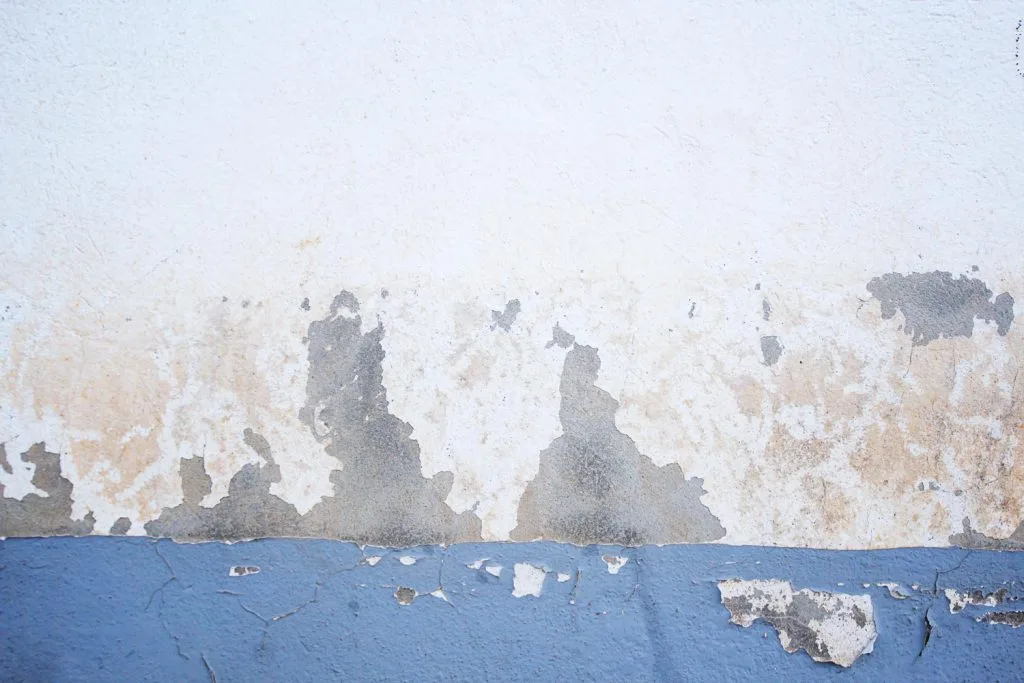
3. Peeling or Cracking:
- Surface Damage: Peeling or cracked paint looks bad and can expose the underlying wall to damage. Repainting can prevent further issues.
Bubbles or Blisters: Bubbles or blisters on the paint surface often indicate underlying moisture problems, signaling a need for repainting after the moisture issue is resolved.
4. Outdated Colors:
- Modern Look: Sometimes, the colors on your walls can date your space. Repainting with modern, fresh colors can update your business's appearance.
- Brand Consistency: Repainting might be necessary to align with your current brand colors, ensuring your space reflects your company's image.
Addressing these signs promptly can help maintain a professional and inviting environment for clients and employees.
Conclusion
Managing scuff marks on commercial walls is essential for maintaining a clean and professional environment. You can keep your walls looking their best by understanding the causes, using effective cleaning methods, and implementing preventative measures. Recognizing when it’s time to repaint ensures that your space presents a polished image.
For expert help in keeping your commercial walls in top condition, contact Kane Painting. Our team in Akron, Ohio, offers professional commercial painting services that can revitalize your workspace. Schedule a consultation with Kane Painting today to give your commercial space the care it deserves.