Painting the exterior of your home is a big project. Choosing the best time to do it is important for ensuring a smooth process and a lasting finish. The weather plays a major role in when you should start your painting job. Temperature, humidity, and rain can all affect how well the paint sticks and how quickly it dries. That's why it's key to understand the best conditions for painting before you begin.
Understanding Weather Conditions for Exterior Painting
Temperature, humidity, and precipitation are the main weather conditions that affect exterior painting. Ideal painting temperatures range from 50°F to 85°F. Too cold, and the paint won’t dry properly, leading to cracking or peeling. Too hot, and the paint can dry too quickly, resulting in an uneven finish.
Humidity levels also matter a lot. High humidity means more water is in the air, slowing down drying times and making the paint sticky. Extreme humidity can even cause the paint to bubble or not adhere properly. On the other hand, very low humidity can cause paint to dry too fast, creating a brittle finish.
Avoid painting right before, during, or after it rains. The paint needs a dry surface to stick correctly. Wet surfaces can lead to poor adhesion, resulting in peeling or blistering. Windy conditions are also less than ideal because the wind can blow dirt and debris onto the wet paint, ruining the finish.
Best Seasons for Exterior Painting in Akron, Ohio
Choosing the best season for painting can make a big difference in the quality and durability of your work. Each season in Akron, Ohio, has its pros and cons:
Spring: Spring is generally a good time to paint because temperatures start to warm up, and the weather tends to be mild. One downside is the potential for spring showers, which can delay your work. It's important to keep an eye on the forecast to avoid rainy days.
Summer: Summer often provides the best conditions for exterior painting. Warm temperatures and lower humidity levels are common, making it easier for paint to dry correctly. However, extremely hot days can cause paint to dry too quickly, leading to uneven application. Starting your painting projects early in the morning or late afternoon can help avoid the day's peak heat.
Fall: Early fall is another ideal time for painting because temperatures are cooler, and humidity levels are generally lower. It's important to finish your painting projects before the weather gets too cold, typically by late October. Painting too late in the fall can mean unfinished projects as cold weather sets in.
Each season offers unique opportunities and challenges for exterior painting. Planning accordingly ensures a successful and long-lasting paint job.
Preparing the Exterior for Painting
Proper preparation is key to a successful exterior painting project. Skipping any steps can lead to a paint job that doesn’t last. Here are the steps to prepare your exterior surfaces:
1. Cleaning: Start by cleaning the surfaces you plan to paint. Use a power washer to remove dirt, mildew, and loose paint. Allow the surface to dry completely.
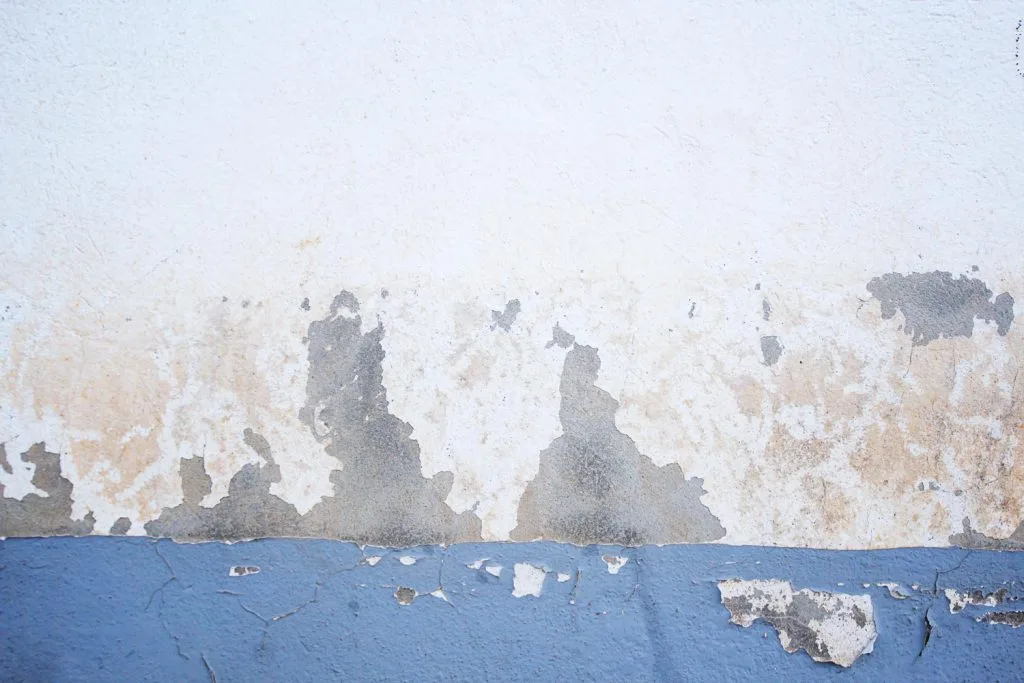
2. Repairs: Inspect the exterior for any damage. Patch any holes or cracks in the walls. Replace rotten or damaged wood to create a smooth, even surface for painting.
3. Sanding: Sand rough spots and edges to ensure the paint adheres properly. This helps the paint to go on smoothly and look its best once it dries.
4. Priming: Apply a primer to the surface. Priming helps the paint stick better and enhances its durability. Once the primer is dry, you’re ready to paint.
Timing your preparation is also important. Start your prep work a few days before you paint to allow adequate drying time. This ensures your surfaces are ready and can help avoid delays due to unexpected weather changes.
Tips for a Successful Exterior Painting Project
Getting a successful exterior painting project involves more than just picking a day to start painting. Here’s how to ensure your project turns out great:
1. Choose the Right Paint: Use high-quality exterior paint designed for your type of material, whether wood, metal, or brick. This ensures the paint can withstand the elements and last longer.
2. Mind the Weather: Always check the weather forecast for a stretch of dry, mild days. Aim for temperatures between 50°F and 85°F and avoid high humidity.
3. Plan Your Project: Break down your painting project into manageable sections. Start with smaller areas like trim or shutters before tackling larger walls.
4. Use Proper Tools: Invest in good brushes, rollers, and sprayers. High-quality tools make the job easier and help you achieve a more professional finish.
5. Timing is Key: Paint in the early morning or late afternoon to avoid the peak heat of the day. This helps the paint to dry evenly and look its best.
Following these tips ensures a smoother, more efficient painting process, resulting in a beautiful and durable finish for your home.
Conclusion
Choosing the best time to paint your home's exterior involves considering various factors like weather conditions, seasons, and proper preparation. Knowing how temperature, humidity, and precipitation affect the paint helps you pick the right time to start your project. Spring, summer, and early fall each offer unique benefits for painting, but each comes with its own set of challenges that must be considered.
Proper preparation, including cleaning, repairing, sanding, and priming, is crucial for a successful painting job. Detailed planning and using the right tools ensure lasting results. Whether choosing the right paint or timing your project well, these steps make all the difference in achieving a professional and attractive finish.
Ready to get started on your exterior painting project? Contact Kane Painting to ensure your home looks its best. Our expert team is here to help you every step of the way, ensuring a smooth and successful painting experience. Call us today to bring new life to your home's exterior!